
Common Reasons Cars Are Impounded — and How You Can Avoid It
Why Do Cars Get Impounded? If you drive in the UK and fall foul of certain rules or legislation, there is a real risk that your vehicle could be impounded.
Below, we explain the five most common reasons vehicles are impounded, how you can prevent it, and what to do if your car is taken.
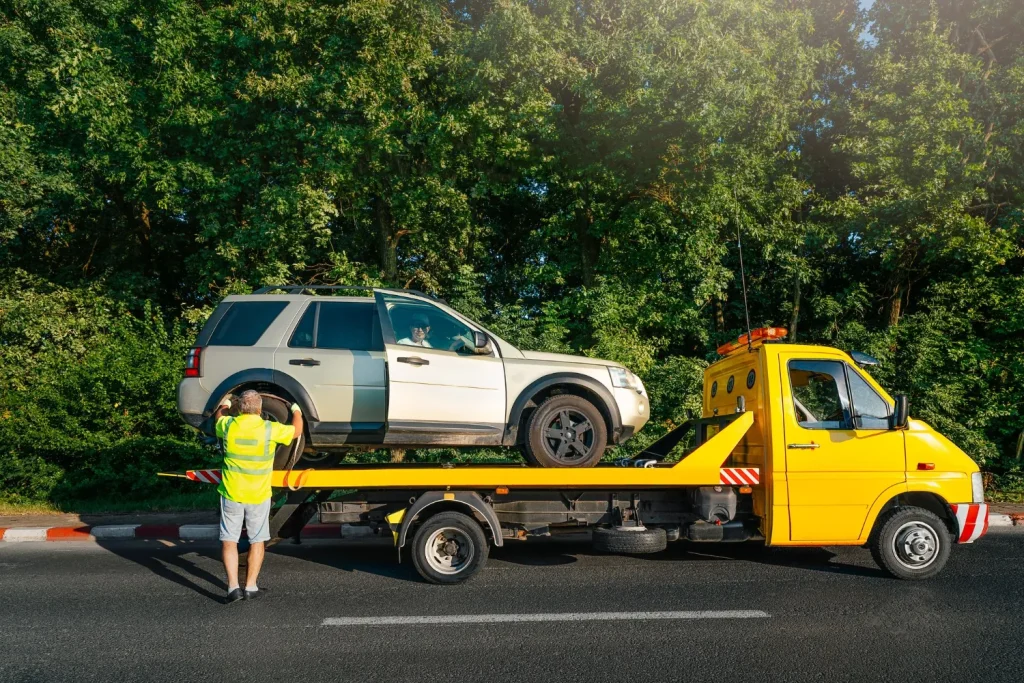
1. No valid insurance or driving licence
The most common reason for impoundment is a vehicle being driven without the correct insurance or by someone without a valid UK driving licence.
Why this causes impoundment
- Under the Road Traffic Act 1988, Section 165A, the police have the power to seize vehicles being used without insurance.
- Even if the vehicle appears to be insured, if the driver isn’t covered or named correctly on the policy, the police may still impound the vehicle
How to prevent it
- Always check your annual motor insurance policy covers you and the exact vehicle you drive.
- If you have a provisional licence or restricted category, make sure you’re driving a vehicle you’re legally entitled to.
- If you’ve recently changed address, vehicle, or policy – ensure your insurance company has updated all details.
- Consider keeping a digital copy/photo of your insurance certificate on your phone for quick proof.

2. Untaxed vehicle or failure to declare SORN
Failing to tax a vehicle or failing to declare a Statutory Off Road Notification (SORN) when the vehicle is off the road are common triggers for seizure.
Why this causes impoundment
- The Driver and Vehicle Licensing Agency (DVLA) and enforcement agencies use number-plate recognition to detect untaxed vehicles parked on public highways.
- If a vehicle appears on a public road but is declared SORN (or should be but isn’t), authorities may impound it as it’s effectively “not legal to be there”.
How to prevent it
- Ensure your Vehicle Excise Duty (road tax) is paid and up to date.
- If your vehicle is off the road, submit a valid SORN through the DVLA and store it on private property (not a public highway).
- If you buy a used vehicle, check that it has current tax (or that you immediately pay the tax) before using it.
- Keep proof of tax /SORN with your vehicle documentation.
3. Illegal parking, causing obstruction, or an abandoned vehicle
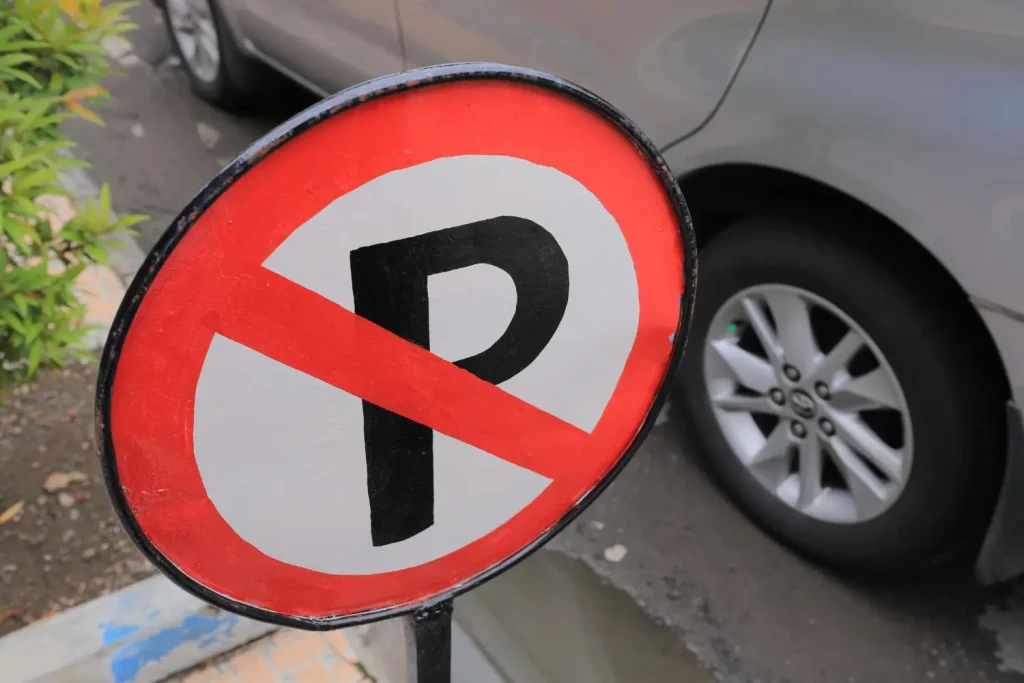
Parking violations, road obstructions, and abandoned vehicles are frequent causes of impoundment by councils or police.
Why this causes impoundment
- A vehicle parked in a “tow-away” zone, blocking emergency access, or left broken-down for an extended period can be seized under local authority powers.
- Many councils have powers to remove “abandoned” vehicles if they have been stationary and unmanaged for a period.
How to prevent it
- Avoid parking in restricted areas, particularly if there are “tow-away” signs or clearly marked no-parking zones.
- If your vehicle breaks down, move it off the public highway as soon as possible or arrange a recovery service.
- If you intend to leave a vehicle unused on public land for a while, tax/SORN it and store it lawfully.
- Keep your registration details up to date so you receive any correspondence from local authorities.
4. Reckless, anti-social or dangerous driving
Vehicles used in offences such as dangerous driving, street racing, or other forms of anti-social behaviour are commonly impounded.
Why this causes impoundment
- Under the Police Reform Act 2002, Section 59 (England & Wales), a vehicle can be seized if used in a way that causes “alarm, distress or annoyance”.
- Police may seize a vehicle involved in a collision or one that they believe is unroadworthy and presents a danger to other road users.
How to prevent it
- Drive responsibly, avoid racing or revving in residential areas, and observe all road traffic laws.
- Ensure your vehicle is roadworthy — with valid MOT, tyres, lights, brakes etc.
- If you lend your vehicle to someone else, ensure they understand their responsibilities and legal status.
- Stay aware of local enforcement operations (e.g., crackdowns on street racing) and avoid high-risk behaviour.
5. Stolen vehicle, used in crime or serious regulatory breach
Less common but still significant: vehicles seized because they have been used in crime, are stolen or subject to serious regulatory violations.
Why this causes impoundment
- Authorities may seize a vehicle as evidence if it has been linked to a criminal offence or suspected theft.
- If a vehicle is registered abroad but being used in the UK beyond legal limits without proper documentation, this may trigger seizure.
How to prevent it
- When buying a used vehicle, carry out full checks (registration, V5C, MOT history) to ensure it is not stolen or unlicensed.
- If using a foreign-registered vehicle, check you are compliant with temporary stay rules and that insurance covers UK use.
- Comply with all commercial or regulatory requirements if the vehicle is used for trade (e.g. DVSA rules).
- Avoid any modifications or usage that may attract suspicion of regulatory breaches.
Bonus: What to do if your car is impounded
Even if you do everything right, your car could still be impounded. Knowing what to do next can help you save money and avoid stress.
- Contact the relevant authority (police or local council) promptly to find out the location of your car and the release requirements.
- Be prepared to present: your driving licence, certificate of motor insurance (sometimes specialised “impound release” cover), V5C log-book, proof of vehicle tax/SORN and MOT.
- Pay the release fee and any daily storage charges. Act quickly, as each extra day increases the cost.
- After your car is released, check that your insurance covers you for driving it and for future use. Many standard policies do not include ‘impounded vehicle release’.
- Once your car is back, look into why it was impounded and fix any problems with your insurance, tax, licence, or parking to avoid it happening again.
Summary: stay safe, stay legal
To lower the risk of your car being impounded, keep your insurance up to date, pay your vehicle tax or declare SORN, park legally, drive safely, and buy cars with a clear legal history. These steps help you avoid the hassle, cost, and stress of impoundment and keep you from joining the thousands of UK drivers whose cars end up in a pound each year.
By following these five prevention tips, you can greatly reduce your chances of needing impound release insurance or paying unexpected recovery fees. Stay informed, follow the rules, and keep your car safe from being seized.


