
If your vehicle has been seized by the police and is sitting in an impound, time matters.
An unclaimed vehicle does not simply remain at the police pound indefinitely. Once the applicable reclaim period has passed, the police or recovery operator may be able to dispose of it. Depending on the vehicle and circumstances, that could mean it is scrapped or sold at auction.
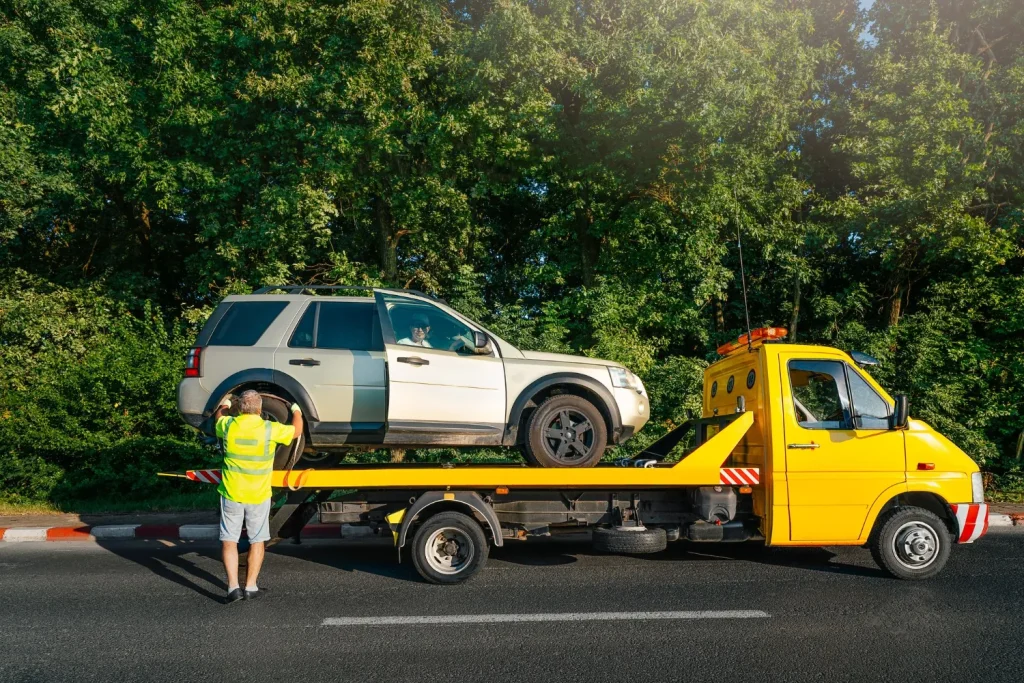
So, how long do you actually have?
There isn’t one timeframe that applies to every impounded vehicle in every situation. The reason the vehicle was seized, the legislation involved and the procedures followed by the relevant police force can all affect how long you have to reclaim it.
The safest approach is to check your seizure notice immediately and start the reclaim process as soon as possible.
How Long Do Police Keep an Impounded Vehicle?
For many vehicles seized because the driver was uninsured or not driving in accordance with their licence, police guidance commonly provides a relatively short period in which the owner needs to take action.
However, the exact timescale can vary.
For example, some police forces currently state that an unclaimed vehicle may be disposed of after 14 days. Others describe different periods for presenting documents, claiming the vehicle and completing collection.
This is why you should not assume that hearing someone else had 14 days means the same deadline applies to your vehicle.
The seizure notice or subsequent correspondence from the police should explain what you need to do and the timescale that applies.
Does the Vehicle Go Straight to Auction When the Deadline Passes?
Not necessarily.
When police guidance refers to a vehicle being “disposed of”, this does not automatically mean it is going to be auctioned.
Depending on its condition, value and the arrangements used by the relevant police force, an unclaimed vehicle could be:
- Sold at auction
- Scrapped
- Dismantled or otherwise disposed of
Greater Manchester Police, for example, states that vehicles disposed of through its approved vehicle disposal scheme may either be scrapped or sold at auction.
There may also be an administrative period between the deadline passing and the vehicle actually being sold or destroyed.
You should not treat that as extra time to reclaim it. Once the deadline has passed and the disposal process has begun, recovering the vehicle could become considerably more difficult or may no longer be possible.
Why the Reason for Seizure Matters
Not every vehicle enters a police pound for the same reason.
A vehicle might be seized because:
- It was being driven without appropriate insurance
- The driver did not hold the appropriate driving licence
- Police powers relating to antisocial use were exercised
- It was abandoned
- It was recovered after being stolen
- It is being retained as part of an investigation
Different legal powers can have different retention and disposal rules.
This is another reason why there is no universal answer to how long every impounded vehicle is kept before disposal.
If your vehicle has been seized, use the information provided by the police for your particular case rather than relying on a general timeframe found online.
Have the Rules About Impounded Vehicle Disposal Changed?
Yes. Changes to the rules governing police vehicle removal, storage and disposal came into force on 22 July 2026.
The changes followed a UK Government consultation and were designed to reduce and align several of the time periods that apply when vehicles are seized.
Under the updated rules, certain key periods are now based on seven calendar days. This includes the period following the issuing of a seizure notice before a vehicle may be disposed of in relevant circumstances.
However, the exact process can still depend on why your vehicle was seized and the legal powers involved. You should therefore check the seizure notice and follow the instructions provided by the police force dealing with your vehicle rather than relying on a general timeframe.
The practical message remains the same: the amount of time available to recover an impounded vehicle can be short, so it is important to start the reclaim process as soon as possible.

What Do You Need to Reclaim an Impounded Vehicle?
The exact requirements depend on the circumstances, but you will normally need to provide documents demonstrating who you are, your connection to the vehicle and that it can legally be released.
These may include:
- Proof of identity
- Proof of ownership or registered keeper details
- Your driving licence
- Appropriate insurance
- The seizure notice or other documentation supplied by the police
You may also need to pay the applicable recovery and storage charges before the vehicle can be released.
Check the instructions issued by the police force carefully because missing or incorrect documents could delay the release.
Why Insurance Can Cause Problems When Reclaiming a Vehicle

Insurance is one area where drivers can unexpectedly run into difficulty.
Having access to a normal motor insurance policy does not necessarily mean you have insurance that meets the requirements for recovering an impounded vehicle.
The police need to be satisfied that appropriate insurance is in place before releasing a vehicle where insurance is required.
If your existing insurer cannot provide suitable cover, you may need specialist impound release insurance.
This type of policy is designed specifically to provide the insurance required for eligible drivers recovering vehicles from police compounds.
Because the reclaim period may be relatively short and storage charges can continue while the vehicle remains at the pound, it makes sense to deal with the insurance requirement early rather than leaving it until the end of the process.
Do Storage Charges Continue While the Vehicle Is Impounded?
Storage charges can continue while a vehicle remains at the recovery compound.
That means waiting can create two separate problems.
- Firstly, you may be moving closer to the deadline after which the vehicle can be disposed of.
- Secondly, the amount you need to pay to recover it may continue to increase.
If you’re having difficulty obtaining a document or arranging suitable insurance, don’t simply ignore the deadline. Contact the police force or recovery operator dealing with your vehicle and explain the situation.
What Happens if You Don’t Want the Vehicle Back?
If you decide that you do not want to recover the vehicle, police forces may allow you to disclaim it.
Disclaiming essentially means giving up your claim to the vehicle so that it can be disposed of.
The exact procedure and potential financial consequences vary, so check the guidance provided by the police force responsible for your vehicle before making that decision.
Once a vehicle has been disposed of, you should not assume that you can simply change your mind and recover it later.
Can You Get Money Back if Your Vehicle Is Sold at Auction?
This depends on the circumstances and the rules under which the vehicle was disposed of.
Some police forces provide a process through which an eligible owner may be able to claim the net proceeds after a vehicle has been sold, subject to proving satisfactory ownership and other requirements.
This should not be treated as an alternative to reclaiming the vehicle.
The amount realised at auction could be different from the amount you believe the vehicle is worth, and applicable costs may be deducted.
If you want to keep your vehicle, reclaiming it within the permitted timeframe is the safer course of action.
What Should You Do if Your Vehicle Has Just Been Impounded?
Start with the paperwork you received when the vehicle was seized.
Check:
- Why the vehicle was seized.
- Which police station or recovery compound you need to deal with.
- The deadline stated on your seizure notice.
- Which documents you need to provide.
- Whether your existing insurance is acceptable for releasing the vehicle.
- What recovery and storage charges need to be paid.
Try to deal with each requirement as early as possible rather than waiting until the final few days.
Act Before Your Vehicle Reaches the Disposal Stage
If you want your vehicle back, the most important thing is not to assume you have plenty of time.
Police guidance and the legislation applying to different seizures can vary, and disposal may mean either scrapping the vehicle or selling it through an auction.
Read your seizure notice carefully and start gathering the documents required to reclaim the vehicle as soon as possible.
If insurance is the part holding you up, Impound Release specialises in arranging impound release insurance for eligible drivers. We can help you obtain suitable cover so you can continue with the process of recovering your vehicle before the applicable deadline passes.
You can obtain a quote through us within 15 mins, via the following page: Impound Insurance Quote.
Frequently Asked Questions
How many days do I have before my impounded car is sold?
There is no single timeframe covering every police vehicle seizure. Some current police guidance refers to disposal after 14 days, while the precise deadline can depend on the legal power used and the circumstances of the seizure. Check the seizure notice issued for your vehicle.
Does “disposed of” mean my vehicle has been auctioned?
No. Disposal could involve selling the vehicle at auction, scrapping it or another approved method of disposal.
Can the police auction an impounded car without telling the owner?
There are procedures governing notification and disposal of seized vehicles. If you are the registered keeper or owner, make sure your details are current and carefully check any seizure notice or correspondence you receive.
Can I reclaim my car once it has been sent for auction?
You should not rely on being able to recover a vehicle once the permitted reclaim period has expired and disposal proceedings have begun. Contact the relevant police force or recovery operator immediately if you are approaching or have passed your deadline.
Will arranging impound insurance stop the deadline?
Arranging insurance does not itself stop the applicable reclaim or disposal timeframe. You still need to complete the requirements for release within the period specified by the police.
Further Information
For more information about police vehicle recovery, reclaiming seized vehicles and the rules surrounding disposal, you can refer to the following official sources:


