
Having a van impounded can feel overwhelming, especially when it affects your ability to work, travel, or meet daily responsibilities. For many drivers, the situation becomes urgent very quickly, particularly if tools, equipment, or deliveries are involved.
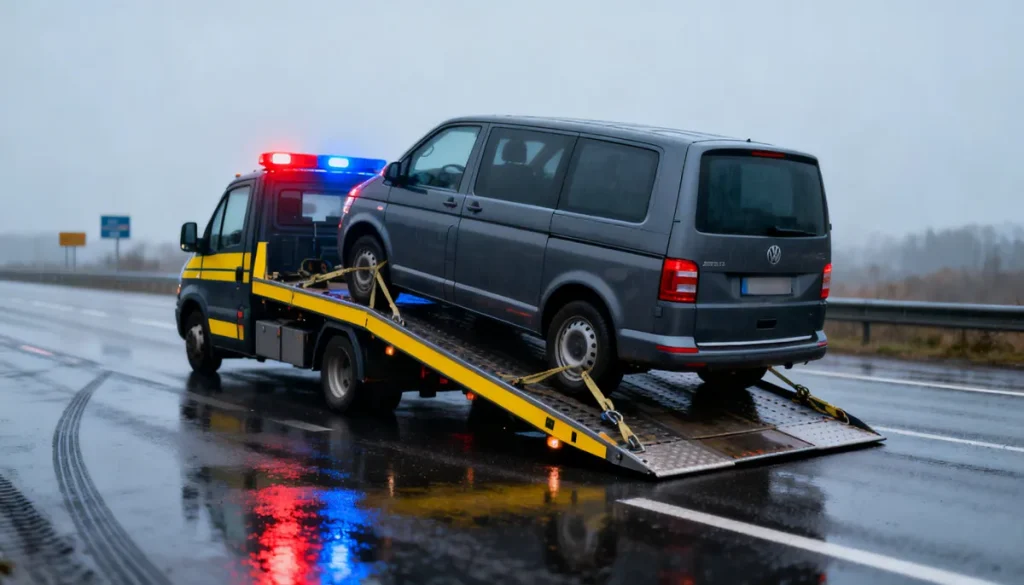
Impounded van insurance exists to solve a very specific problem. It provides the type of cover required by police or authorities so you can legally reclaim your vehicle without unnecessary delays.
Understanding how it works can make the process far more manageable.
Why vans get impounded in the UK
Vans are often impounded for reasons similar to cars, but there are some additional risks due to their commercial use.
Common reasons include:
- Driving without valid insurance
- No road tax
- Driving without the correct licence
- Parking violations or obstruction
- Being involved in illegal activity
For van drivers, especially those using their vehicle for work, even a short period without the van can have a financial impact.
What insurance is required to release an impounded van
To release a van from a police impound, you must present valid insurance that specifically covers impound release.
This is not optional. Most police forces require:
- A valid insurance certificate
- Cover that explicitly allows release from an impound
- The policyholder to match the person collecting the vehicle
This is where many people run into issues, as not all policies meet these requirements.
Why standard van insurance is not accepted
A common assumption is that any van insurance policy will be enough. In reality, this is often not the case.
Standard van insurance policies may:
- Exclude impound release situations
- Not activate immediately
- Be invalid if the van was previously uninsured
Police authorities are strict on this point. If the policy does not clearly meet their criteria, the release may be refused.
This is why specialist impounded van insurance is needed.

How impounded van insurance works
Impounded van insurance is usually a short-term policy designed specifically for release purposes.
The process typically looks like this:
- You provide details about your situation
- A tailored quote is generated
- You purchase the policy
- Documents are issued digitally
- You present the certificate at the impound
Many providers aim to complete this quickly, often within the same day, as speed is critical in these situations.
What documents you need
To release your van, you will usually need:
- Valid photo ID
- Proof of ownership or right to the vehicle
- Insurance certificate (impound-specific)
- Vehicle registration details
- Release fee payment
Each police force may have slightly different requirements, so it is worth checking in advance to avoid multiple trips. For more details, you can view our impound release documents page.
Common situations for van impound cases
Impounded van insurance is often used in real-world situations such as:
Work vans
Tradespeople relying on their van for income may need urgent release to avoid losing jobs or delaying projects.
Newly purchased vans
If a van is driven without proper insurance immediately after purchase, it may be seized.
Incorrect insurance type
Using personal cover on a van intended for business use can sometimes invalidate a policy.
Licence issues
Driving with the wrong licence category for a van can also lead to impoundment.
These situations are more common than many people expect, and they often happen without much warning.
How to get your van released quickly

Time is important when dealing with an impounded van. Storage fees may increase daily, and delays can add unnecessary cost.
To move quickly:
- Use a specialist provider familiar with impound cases
- Ensure all details are accurate when applying
- Check your documents before visiting the impound
- Contact the impound location to confirm requirements
The aim is to avoid being turned away due to missing or incorrect paperwork.
Costs and what affects the price
The cost of impounded van insurance can vary depending on several factors:
- Driver age and experience
- Type and value of the van
- Driving history
- Location of the impound
- Length of cover (often 30 days)
While the cost may feel high compared to standard insurance, it reflects the short-term and high-risk nature of the policy.
Key mistakes to avoid
There are a few common mistakes that can slow the process down:
- Buying standard insurance instead of impound-specific cover
- Entering incorrect vehicle or driver details
- Assuming digital documents are not accepted
- Arriving at the impound without confirming requirements
Even small errors can lead to delays, which may increase fees and stress.
Final thoughts
Impounded van insurance is designed to solve a very specific and urgent problem. When handled correctly, it can help you move from a stressful situation to a resolved one in a relatively short time.
The key is understanding that not all insurance policies are suitable, and choosing the right type of cover from the start can save both time and money.
A clear, simple process and the right support can make a difficult situation feel much more manageable.


