
Having a vehicle seized can feel abrupt and overwhelming. The process is often unfamiliar, and the requirements to get the car back may not be immediately clear. One of the most important steps involves arranging the right type of insurance, and this is where many drivers encounter unexpected difficulty.
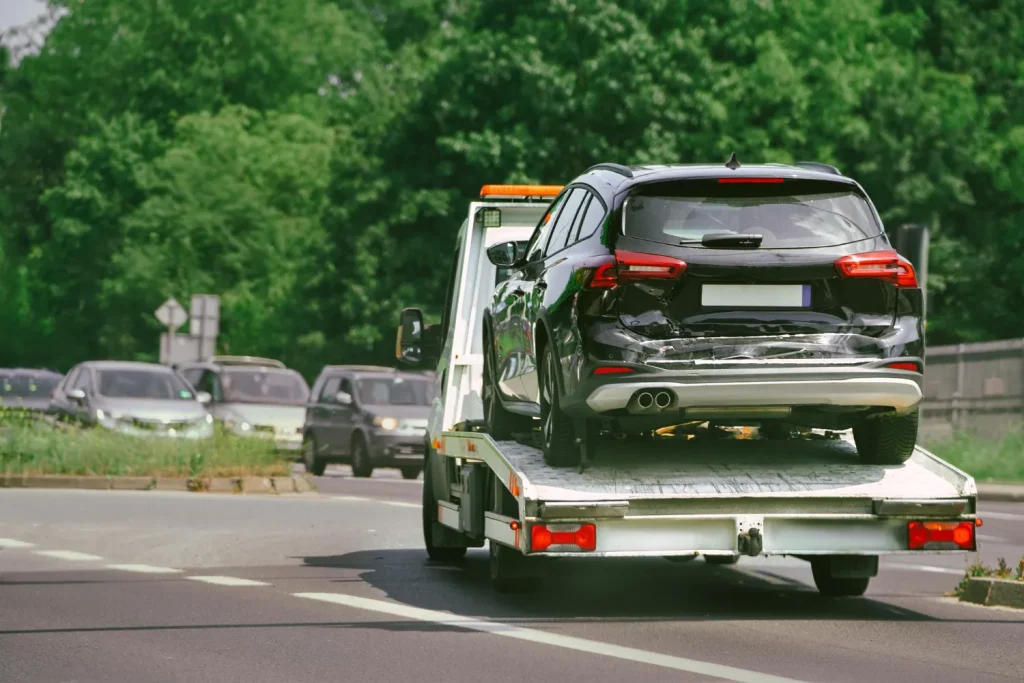
Specialist car insurance for seized vehicles exists to meet a very specific need. It is designed for situations where standard policies may not be accepted, particularly when a vehicle is held by the police or a local authority.
Understanding how this type of cover works can make the difference between a smooth release process and prolonged delays.
Understanding Why Standard Car Insurance May Not Be Accepted
Many drivers assume their existing policy will be sufficient. In reality, this is often not the case.
When a vehicle is seized, authorities may require insurance that explicitly allows the car to be driven out of an impound. Standard policies may not include this permission, even if the vehicle itself is insured for road use.
There are also additional checks involved. Insurance must usually:
- Be valid immediately
- Cover the specific vehicle being released
- Be in the name of the person collecting the vehicle
- Meet police or impound yard criteria
Without meeting these conditions, release may be refused.
What Makes Insurance “Specialist” for Seized Vehicles
Specialist impound insurance is structured to meet the exact requirements set by authorities. It is not simply another standard car policy.
Policy Requirements Set by Police and Impound Yards
These policies are designed with compliance in mind. They typically:
- Explicitly allow release from an impound
- Provide immediate proof of cover
- Align with legal requirements for seized vehicles
This targeted approach reduces the risk of rejection during the release process.
Short-Term vs Annual Cover
Most specialist policies are short-term/temporary impound insurances, often lasting 30 days. This suits the nature of the situation, where the immediate goal is to recover the vehicle rather than arrange long-term cover.
Some drivers may later transition to a standard annual policy once the vehicle is back on the road.

Who Can Get Specialist Impound Insurance
One of the key advantages of specialist providers is flexibility.
Policies may be available for:
- Full UK licence holders
- Provisional licence holders
- EU licence holders
- International drivers
This broader eligibility reflects the reality that impounded vehicle situations affect a wide range of drivers.
How the Process Typically Works
The process is usually straightforward when handled correctly.
- Provide details about your situation and vehicle
- Receive a tailored insurance quote
- Purchase the policy and receive documents
- Present proof of insurance at the impound
- Collect your vehicle
Many providers aim to complete this quickly, sometimes within the same day, to help minimise disruption.
Common Mistakes That Delay Vehicle Release
Delays often happen due to small but important oversights.
Some of the most common include:
- Buying standard insurance instead of specialist cover
- Entering incorrect vehicle details
- Using a policy not in the driver’s name
- Waiting too long to arrange insurance
Each of these issues can result in being turned away at the impound, which adds time and additional cost.
Costs and What Influences Pricing
Specialist impound insurance can be more expensive than typical short-term cover. This reflects the higher risk and urgency involved.
Pricing may depend on:
- Driver history
- Licence type
- Vehicle type and value
- Reason for seizure
While cost is an important factor, choosing the correct policy is usually more critical. An unsuitable policy may lead to further delays and additional fees from the impound yard.
Why Acting Quickly Matters
Impound yards often charge daily storage fees. These can accumulate quickly, especially if there are delays in arranging the correct insurance.
Acting promptly may help:
- Reduce storage costs
- Avoid additional penalties
- Prevent the vehicle from being disposed of if left unclaimed
Speed and accuracy tend to go hand in hand in these situations.
Conclusion
Specialist car insurance for seized vehicles serves a very specific purpose. It bridges the gap between standard motor insurance and the strict requirements set by authorities for vehicle release.
Understanding why this type of policy is needed, and how it differs from standard cover, can remove much of the uncertainty from an already stressful situation. With the right approach, the process becomes more manageable, allowing drivers to focus on getting back on the road with minimal delay.


