
Section 165 Seizure Explained
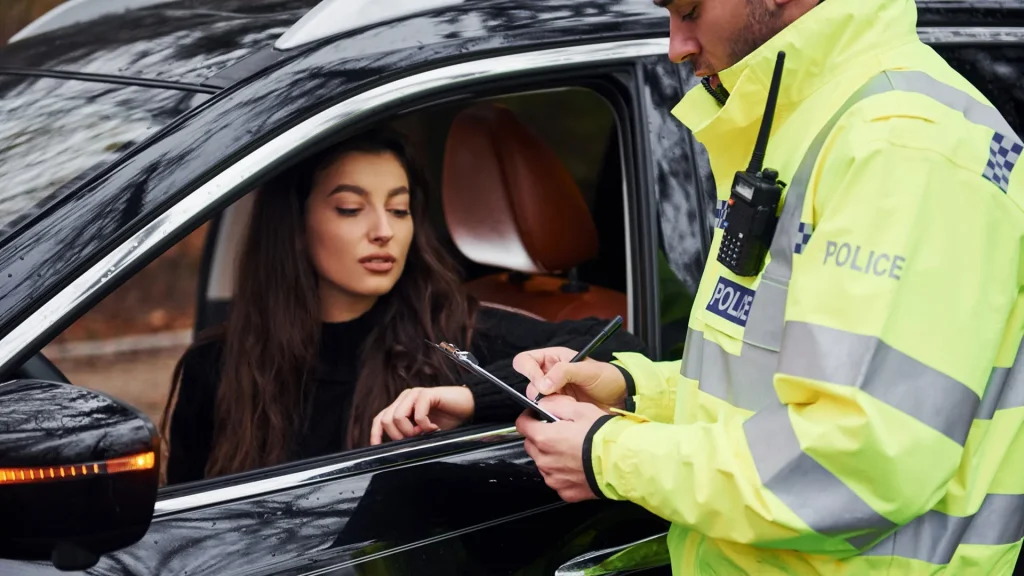
A Section 165 seizure can turn an ordinary day into something tense and disorienting. One moment you are driving, and the next you are being told that the police intend to remove your vehicle because they believe you may not have the correct documents.
The process feels abrupt, and the uncertainty can be unsettling. Understanding how Section 165 works helps reduce some of that pressure and gives you a clearer sense of the steps that follow.
Understanding Section 165 and Why Police Use It
Section 165 of the Road Traffic Act 1988 allows police to stop a vehicle and require the driver to produce certain documents. If those impound release documents are not available or if there are reasonable grounds to believe the vehicle is uninsured or the driver lacks a valid licence, the police may seize the vehicle. Their intention is usually to prevent a vehicle from continuing on the road when it may not meet legal requirements.
The power to seize is not used lightly. Officers often check databases, ask questions and gather enough information to reach a balanced decision before instructing a recovery truck.
The Real Impact of a Section 165 Seizure
A seizure affects more than your ability to continue your journey. It interrupts the rest of your day, affects your plans and creates a practical and emotional burden.
Many drivers describe a sense of embarrassment at the roadside, even when the issue later turns out to be a misunderstanding. Once the vehicle is taken, you rely on the police pound for storage and on yourself to resolve the situation as quickly as possible.
Common Reasons Police Seize a Vehicle Under Section 165
Most seizures fall into a handful of situations:
- The insurance database does not show a valid policy
- A policy exists but does not permit the driver to use the vehicle
- The driver s licence is missing, expired or does not allow the use of that vehicle
- Information provided at the roadside raises uncertainty
- A simple administrative mistake leads police to believe the vehicle is uninsured
Even a small mismatch between policy details and the database can prompt the police to act for public safety.
What the Police Check at the Roadside
Police usually rely on:
- The Motor Insurance Database
- PNC and DVLA checks
- The driver s verbal explanation
- Circumstances around the stop
If the evidence suggests the vehicle may not be insured or the driver may not be licensed, officers have reasonable grounds to seize it. The rules allow them to ask you to produce the documents immediately. If you cannot, they may rely on database results, which are usually accurate but not perfect.

What Happens After the Vehicle Is Seized
Once the decision is made, a recovery vehicle transports the car to an authorised police pound. Storage begins as soon as the vehicle arrives. You receive a seizure notice that outlines the location of the pound and the steps required to recover the vehicle.
Time is an important factor. Storage fees increase daily, and the longer the vehicle remains at the pound, the more it will cost to get it back. Getting organised early makes the process smoother.
How to Get Your Vehicle Released
Most police forces require the following:
- Proof of identity
- Proof of ownership or entitlement to the vehicle
- A valid driving licence
- A valid insurance policy that covers the specific act of releasing an impounded vehicle
- The pound’s release fee
- Storage fees where applicable
The pound staff check each item carefully. They may reject incomplete or unclear documents, so preparing everything before you arrive helps avoid delays.
Insurance for Impound Release
A key point catches many drivers by surprise. Standard insurance often does not cover releasing an impounded vehicle. Some policies exclude it entirely, while others require a specific endorsement.
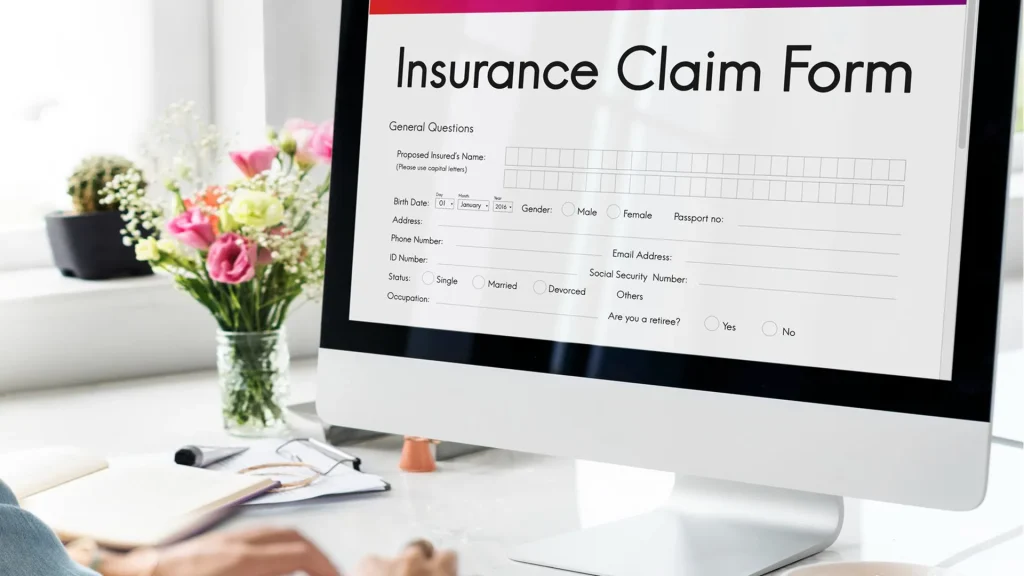
Short-term impound release insurance exists specifically for this situation. It may allow you to meet the police pound s requirements for evidence of valid insurance.
At ImpoundRelease.co.uk, we help drivers to obtain specialist cover that meets these needs, which helps them reclaim their vehicle without unnecessary delays. The service is designed for clarity, speed and support during what can be a demanding moment.
How Long You Have and What Happens If You Do Nothing
Police forces often follow similar timelines:
- You have 7 days to present documents
- You have 14 days to collect the vehicle
- After that, the vehicle may be disposed of, often by sale or destruction
The notice you receive from the police outlines the exact deadlines. Leaving the vehicle uncollected may result in financial loss and administrative complications.
Preventing Future Section 165 Seizures:
- Small actions can help reduce the risk of another seizure:
- Keep your insurance policy updated
- Ensure your name, address and vehicle details match across documents
- Check the Motor Insurance Database after buying or renewing a policy
- Keep your licence information current
- Store your key documents so you can locate them easily
Consistency across official records helps prevent misunderstandings.
Conclusion
A Section 165 seizure can remove your vehicle at a moment when you least expect it. The process can be unsettling, but understanding it gives you a sense of control.
The police use Section 165 to ensure vehicles on the road meet legal standards, and although the experience can feel abrupt, the steps to recover your vehicle are clear once you know what to expect. With the right insurance and the correct documents, you can resolve the situation and move forward with confidence.
References
- Metropolitan Police Vehicle Seizure (Section 165): https://www.met.police.uk/advice/advice-and-information/vr/vehicle-recovery/seized-vehicles/
- Gov.uk Driving Without Insurance: https://www.gov.uk/vehicle-insurance
- West Yorkshire Police Seized Vehicles Guidance: https://www.westyorkshire.police.uk/advice/vehicle-crime/vehicles-seized-police


