
Seeing a vehicle seized by police can feel sudden and confusing, especially when the owner believes the car was legally declared off the road under a SORN. Many drivers assume that once a vehicle has a Statutory Off Road Notification in place, it becomes untouchable from an enforcement perspective. In reality, the situation is more nuanced.

A SORN changes how a vehicle can legally be used and stored, but it does not completely remove police powers. Under certain circumstances, a SORN vehicle could still be seized, impounded or removed.
Understanding when this may happen could help avoid expensive recovery fees, fines and additional legal complications.
What Does SORN Actually Mean?
A SORN, or Statutory Off Road Notification, is a declaration made to the Driver and Vehicle Licensing Agency confirming that a vehicle is not being used or parked on public roads.
Once a vehicle is declared SORN:
- Vehicle tax is no longer required
- The vehicle should remain off public roads
- The vehicle is typically kept on private land such as a driveway, garage or private car park
A SORN does not automatically make a vehicle illegal. Many people use SORN correctly while repairing, storing or temporarily not using a vehicle.
However, problems often begin when a SORN vehicle appears on public roads or becomes linked to other offences.
Can Police Legally Seize a SORN Vehicle?
Yes, police may legally seize a SORN vehicle in certain situations.
Whether the vehicle can be seized often depends on:
- Where the vehicle is located
- Whether it is being driven
- Insurance status
- Tax status
- Public safety concerns
The key point is that SORN status alone does not prevent the exercise of police enforcement powers.
When a SORN Vehicle Is Parked Legally
If the vehicle is genuinely off-road and stored legally on private property, police seizure is generally less likely unless another issue exists.
For example:
- The vehicle may be connected to criminal activity
- The vehicle may be considered dangerously unsafe
- The vehicle may be reported as stolen
- Local authorities may consider it abandoned under certain circumstances
In most circumstances, a properly stored SORN vehicle on private land is unlikely to attract enforcement action.
When a SORN Vehicle Is Being Driven
This is where many drivers run into problems.
A SORN vehicle generally cannot be driven on public roads unless a legal exemption applies, such as travelling to a pre-booked MOT test.
If police stop a SORN vehicle being driven, they may identify:
- No valid tax
- No valid insurance
- Invalid use of the vehicle
- Potential road traffic offences
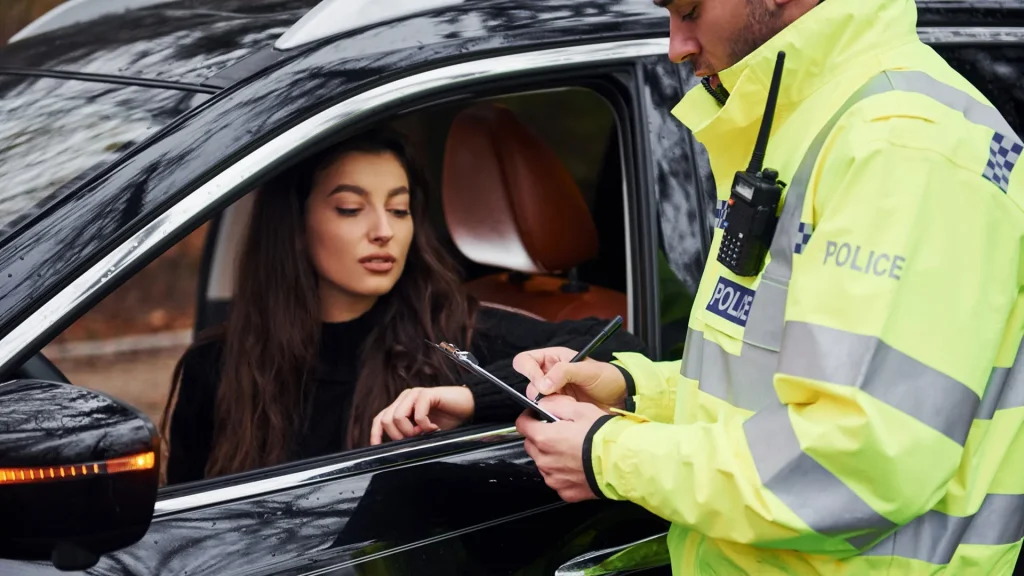
Under Section 165A of the Road Traffic Act, police may seize vehicles being driven without valid insurance. This is often one of the most common reasons vehicles become impounded.
Even if the driver believes the journey was short or harmless, the vehicle could still be removed.
Common Reasons a SORN Vehicle May Be Seized
No Insurance
A SORN vehicle often does not have active road insurance because it is not intended to be driven.
If the vehicle is driven on public roads without valid cover, police may seize it immediately.
This catches some drivers out when:
- Moving the car short distances
- Testing repairs
- Driving without arranging temporary cover
- Assuming old insurance is still active
Many standard insurance policies also do not cover impound release situations.
No Tax
A SORN declaration and road tax cannot normally exist together.
If the vehicle is found parked or driven on public roads while untaxed, enforcement action may follow.
In some situations:
- The DVLA may issue penalties
- Police or local authorities may remove the vehicle
- Wheel-clamping or towing could occur
Dangerous or Illegal Driving
Regardless of SORN status, police may seize vehicles linked to:
- Dangerous driving
- Anti-social driving
- Illegal street racing
- Criminal investigations
The SORN itself becomes secondary if a more serious offence is involved.
Abandoned Vehicle Concerns
Some SORN vehicles remain stationary for long periods and begin attracting complaints from neighbours or councils.
If a vehicle appears:
- Damaged
- Burnt out
- Unsafe
- Left in public areas
Local authorities may investigate whether it qualifies as abandoned.
This can sometimes lead to removal even if the owner still considers the vehicle theirs.
Can You Drive a SORN Vehicle to an MOT?
In many cases, yes.
UK law generally allows a SORN vehicle to be driven to a pre-booked MOT test appointment.
However, important conditions still apply:
- The MOT appointment should be genuine and pre-booked
- The vehicle should be roadworthy
- Insurance may still be required
Drivers sometimes mistakenly believe a SORN overrides insurance obligations during MOT journeys. That misunderstanding can create serious problems if stopped by police.
Keeping proof of the booking may help demonstrate the purpose of the journey.
What Happens After a Vehicle Is Seized?
Once a vehicle is impounded, recovering it often involves strict deadlines and documentation requirements.
Drivers may need:
- Proof of ownership
- Identification
- Valid insurance
- MOT documentation where applicable
- Payment of release and storage fees
Storage charges can increase daily, which may quickly make the situation more stressful financially.
Specialist impound release insurance is usually required before the vehicle can legally leave the compound. Many standard policies are not accepted for impound release purposes.
For drivers facing this situation, arranging appropriate cover quickly could help reduce delays and costs.

How to Reduce the Risk of Seizure
A few practical steps may help reduce problems with a SORN vehicle:
- Keep the vehicle entirely off public roads
- Store it on private property
- Avoid driving unless a legal exemption applies
- Ensure MOT journeys are genuinely pre-booked
- Arrange suitable insurance before any road use
- Keep paperwork accessible and up to date
It may also help to understand that police, DVLA and local authorities each have different enforcement powers. A SORN does not automatically override those powers.
Final Thoughts
A SORN vehicle is not automatically protected from police seizure. While a properly stored off-road vehicle may avoid most enforcement issues, the situation changes quickly once the vehicle appears on public roads or becomes connected to uninsured driving, tax offences or safety concerns.
For many drivers, the confusion comes from assuming SORN status acts like a legal shield. In reality, it is simply a declaration that the vehicle is off the road. If that declaration no longer matches how the vehicle is being used, police powers may still apply.
Understanding the rules before driving or moving a SORN vehicle could help avoid impound fees, penalties and unnecessary stress.
If your vehicle has already been seized and you need specialist cover to recover it, obtaining an impound insurance quote as quickly as possible may help speed up the release process.


